
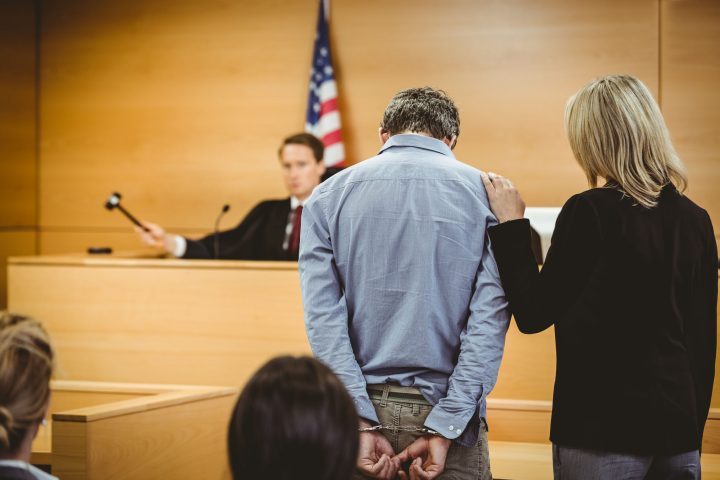
Our Tulsa Felony Lawyers Explain Felony Crimes to potential clients daily and we will do the same for you. Most crimes in Oklahoma are charged as misdemeanors. A misdemeanor is less serious than a felony. Felony crimes in Oklahoma subject you to a wider and longer range of sentencing. They also include much larger fines and costs and the process is longer. Felony charges are the subject of criminal justice reform. This reform has helped in reducing many former felony charges to misdemeanor charges.There are many other consequences of being convicted of a felony crimes including more difficulty getting the criminal record expunged and sealed. Read on to learn more about felony criminal justice and how our attorneys can help you.
Felony Criminal Defense Attorney
Under Oklahoma State law, crimes are generally classified as misdemeanors or felonies . Felonies are punishable by imprisonment in the state penitentiary.This includes crimies punishable by over one year. The range of sentencing may include life in prison or even capital punishment. Common crimes charged as felonies consist of murder, manslaughter, rape, asking or receiving bribes, dueling, adultery, and the possession of child pornography and certain drug charges. Like all other crimes the accused is entitled to a jury trial.
Unlike most states, Oklahoma does not classify felonies into separate categories (example – Class 1, Class 2, Class 3. Felony crimes are determined by the potential punishment associated with them. Each category of the offense has a maximum penalty associated with it. For example, a Class A felony might have a maximum penalty of 15 years in prison and $50,000 fine. A Class B felony may have a maximum penalty of 7 years in prison and a $20,000 fine. Additional penalties are imposed on repeat offenders.
Tulsa Felony Criminal Justice Process
Arrest & Booking
Felony arrest typically occur at the scene of the alleged crime, or after a law enforcement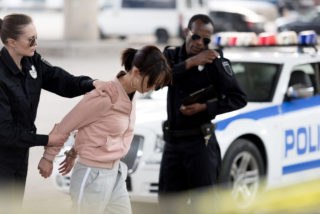 investigation occurs. Upon the conclusion of an investigation, if there is sufficient probable cause to conclude that a crime has occurred, an arrest warrant will be issued for the alleged suspects arrest. The accused will be taken down to the police station for booking. This process involves the police obtaining fingerprints and a photo of the accused. Once the accused is booked, he/she will be provided with a court date to appear in court. The District Attorney’s Office will decide whether to press charges against the accused.
Arraignment
At the arraignment, if the accused is charged with committing a crime, a plea of not guilty is entered. A preliminary hearing will be set. The accused may have the option to post bail or leave on their own recognizance promising to return to court at the later appointed time.
Preliminary Hearing
At the preliminary hearing the prosecution must show probable cause that a crime was committed by the accused. The accused is not required to testify at the preliminary hearing. Counsel will likely make motions to suppress evidence during this hearing and may call forth witnesses to support the defense. The court will decide if there is sufficient probable cause and issue an order binding the defendant over for trial and order the accused to appear for a District Court arraignment.
District Court Arraignment
At the District Court arraignment, either a trial date is set, or a no issue disposition date is set. If a trial date is set, the judge orders a discovery hearing prior to trial to make sure the parties exchanged all necessary evidence. If a no issue disposition date is set, the accused will be provided with a date to enter a plea.
Jury Trial
At the trial, the prosecution must present evidence to support a conviction for the charge asserted against the accused. The defense attorney is provided an opportunity to contest any evidence the prosecution presents as well as present evidence in favor of the defense. The prosecution and defense will be able to call forth witnesses (whom may be cross examined) to support their claims.
The judge will decide issues of law while the jury will decide issues of fact. The jury provides a ruling at the conclusion of the trial. If no agreement is reached among the jurors, a mistrial will be declared. The prosecution will have the opportunity to retry the accused.
Tulsa Felony Lawyers In Your Corner
Being charged with a felony crime is a nightmare. The immediate consequences are serious and potentially lead to a long and difficult jail term. Moreover, the process for defending someone charged with a felony is much more complex. From the arraignment on through the investigation and potential jury trial its more more complicated than a misdemeanor. When the stakes are high get representation that’s up to the task. Get a free and confidential consultation with one of our Tulsa felony lawyers.