
If a witness does not show up for court in a domestic assault and battery case, it’s not automatically dismissed. Many people assume that if the alleged victim or another important witness fails to appear, the prosecution has no case. Sometimes that may be true. Other times, the State may ask for a continuance, attempt to enforce a subpoena, rely on other witnesses, use physical evidence, or try to introduce certain statements under the rules of evidence. A missing witness can create serious problems for the prosecution, but it does not end the case by itself.
The State Prosecutes Domestic Assault and Battery
In Oklahoma, domestic assault and battery is not simply a private dispute between two people. Once law enforcement arrests someone or the district attorney files charges, the case belongs to the State of Oklahoma. The alleged victim may be a witness, but they do not control whether the case is filed, dismissed, or prosecuted.
This means they cannot automatically “drop the charges” by failing to appear, refusing, or asking the prosecutor to dismiss it. The prosecutor may consider the witness’s position, but the final charging decision usually rests with the State.
The Court May Continue the Case
If a required witness does not show, the prosecutor may ask the judge to continue the trial or hearing to another date. The court may consider whether the witness was properly subpoenaed, whether the witness is material, whether the State acted diligently, whether the absence was unexpected, and whether delaying the case would prejudice the defendant.
The defense may oppose a continuance, especially if the State was not ready, failed to properly subpoena the witness, or has already received prior delays. The judge has discretion to decide whether the case should continue or whether the State must proceed with the evidence available.
A Subpoena Matters
A subpoena is a court order requiring a witness to appear. If a witness was properly served with a subpoena and still fails to appear, the court may have authority to take action. Depending on the circumstances, the court may issue a bench warrant, order the witness to appear later, or take other steps to secure attendance.
If the witness was not properly subpoenaed, the State may have a weaker argument for delay. The defense may argue that the prosecution should not receive extra time when it failed to use proper procedures.
Hearsay Can Become a Major Issue
Hearsay is an out-of-court statement that tries to prove the truth of what it says. Domestic assault cases often involve statements allegedly made to police officers, dispatchers, neighbors, medical providers, family members, or friends. If the person who made the statement does not appear, the defense may object to the State using that statement.
Some hearsay exceptions may apply, such as excited utterance, present sense impression, statements for medical treatment, or certain recorded statements. However, the State must still meet the legal requirements for the exception. A missing witness does not give the prosecutor permission to use every prior statement without challenge.
911 Calls and Body Camera Statements
Domestic assault cases often involve 911 calls and body camera recordings. These recordings may be powerful evidence, but they are not automatically admissible for every purpose. The court may need to decide whether the statements were made during an ongoing emergency, whether they were testimonial, whether a hearsay exception applies, and whether the defense has a right to cross-examine the person who made the statements.
The timing and purpose of the statement matter. A frantic statement made during an emergency may be treated differently than a detailed statement made to an officer afterward.
Physical Evidence May Still Matter
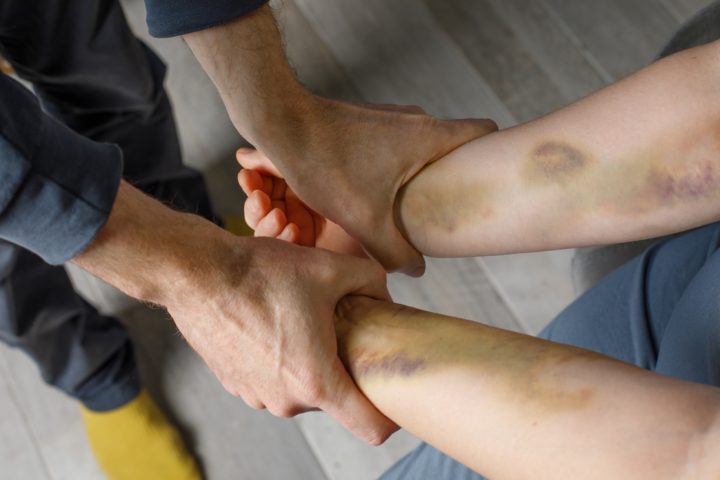
Even if a witness does not show up, the State may still have physical or documentary evidence. This may include medical records, damaged property, officer observations, defendant statements, surveillance video, text messages, voicemails, or admissions.
The defense must review whether that evidence actually proves domestic assault and battery. Photographs may show an injury, but they may not prove who caused it. Officer observations may show emotion or disturbance, but they may not prove the required elements. Text messages may need context. Medical records may raise hearsay and causation issues.
The Missing Witness May Help the Defense
A missing witness can help the defense in several ways. The defense may argue that the State cannot prove the case beyond a reasonable doubt without live testimony. The defense may also argue that the State’s remaining evidence is incomplete, unreliable, or based on statements that cannot be tested through cross-examination.
If the alleged victim is the only person who can explain what happened, identify the accused, or describe the alleged contact, the State may have a much weaker case without that witness.
The Case May Be Dismissable in Some Situations
The case may be dismissable if the State cannot proceed without the witness and the court denies a continuance. The prosecutor may also dismiss and refile in some circumstances, depending on timing, speedy-trial concerns, and the procedural posture of the case.
Dismissal is not automatic. The defense should be ready to argue why the State cannot meet its burden, why further delay is unfair, and why the remaining evidence is insufficient.
Talk to an Oklahoma Domestic Assault Defense Attorney
If a witness does not show up for court in an Oklahoma domestic assault and battery case, the result depends on the facts, the subpoena, the evidence, the rules of evidence, and the defendant’s confrontation rights. An Oklahoma criminal defense attorney can review the witness issue, object to improper hearsay, protect confrontation rights, oppose unnecessary continuances, and argue whether the State can prove the case beyond a reasonable doubt. If you’re facing charges, call Tulsa Criminal Lawyers Law Firm at (918) 416-0358 or contact us online.