
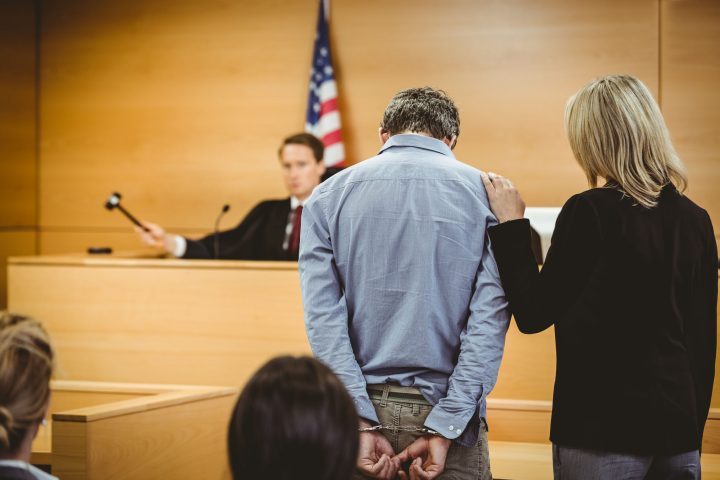
In many Tulsa County criminal cases, you can be “added to the docket,” meaning your case can be scheduled for a hearing, arraignment, pretrial conference, motion hearing, or other court appearance before a judge. However, the exact process depends on the type of case involved and the procedural posture of the matter. In many situations, an attorney can help move the process along, request hearings, communicate with the court clerk, and protect your legal rights throughout the case.
What Does “Getting Added to the Docket” Mean?
A docket is essentially the court’s schedule of hearings and proceedings. When a case is “set on the docket,” the court schedules the matter for a specific date, time, and courtroom before a judge.
Tulsa County courts maintain dockets for:
- Criminal cases;
- Family law matters;
- Protective orders;
- Civil lawsuits;
- Probate proceedings;
- Juvenile cases.
Depending on the type of case, the hearing may involve arraignment, bond review, motions, trial settings, custody issues, or other proceedings.
How Cases Get Added to the Docket
The process varies depending on the type of case involved.
In criminal cases, the State generally files charges, and the court automatically assigns hearings and appearances through the criminal docket system. Tulsa County criminal courts handle arraignments, pretrial hearings, preliminary hearings, sentencing hearings, probation matters, and trials through designated criminal dockets.
Some hearings may also occur virtually, depending on the court and docket involved.
Should You Hire a Lawyer?
In many situations, yes.
Although individuals technically have the right to represent themselves, Tulsa County court procedures can quickly become extremely complicated. Judges generally expect parties to follow the same procedural and evidentiary rules whether they have an attorney or not.
An attorney may help:
- Request hearings and docket settings;
- File motions properly;
- Communicate with prosecutors or opposing counsel;
- Negotiate plea agreements or settlements;
- Present evidence and witnesses;
- Protect constitutional and procedural rights;
- Avoid costly procedural mistakes.
This becomes especially important in felony criminal cases, custody disputes, protective order proceedings, and business litigation matters.
Criminal Cases Often Carry Serious Risks
If you are trying to get added to a criminal docket in Tulsa County, hiring a lawyer is often extremely important.
Criminal dockets may involve:
- Bond hearings;
- Arraignments;
- Preliminary hearings;
- Motion hearings;
- Jury trial settings;
- Sentencing proceedings.
Statements made in court can affect the outcome of the case, bond conditions, plea negotiations, and future proceedings. Missing hearings can also lead to bench warrants or additional legal problems.
An attorney can often appear with you, negotiate with prosecutors, and help guide the case through the Tulsa County criminal court system.
You Can Usually Check Your Tulsa County Docket Online
Tulsa County court records and upcoming hearings are often available online through the Oklahoma court system and related public record databases.
Court records may include:
- Hearing dates;
- Assigned judges;
- Case numbers;
- Filed motions;
- Minute entries;
- Future docket settings.
However, docket information can sometimes change quickly, so it is important to confirm hearing dates and courtroom assignments directly with the court or your attorney.
Tulsa Criminal Defense Lawyers
Court appearances may involve important deadlines, evidence issues, plea negotiations, temporary orders, or strategic decisions that significantly affect the outcome of the case. Because court procedures and deadlines can vary substantially depending on the type of case involved, individuals facing Tulsa County court proceedings should strongly consider obtaining experienced legal representation as early as possible. If you need help, call our team at Tulsa Criminal Lawyers Law Firm at (918) 416-0358 or contact us online for a free consultation.