
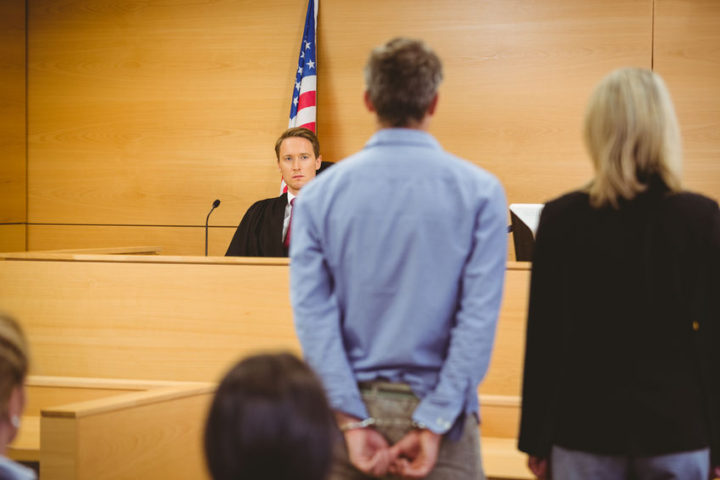
If you’re part of a criminal trial in Oklahoma, one of the first steps in the process is jury selection. Whether you’re a party to the case or just called for jury duty, understanding how jury selection works can help you feel more prepared and confident in what to expect.
The Role of the Jury in Oklahoma Trials
In Oklahoma, juries are part of both criminal and civil cases, though not every case goes before a jury. When either party requests a jury trial, the jury’s job is to listen to the evidence, apply the law as instructed by the judge, and render a verdict. In criminal cases, the jury is responsible for deciding whether the defendant is guilty or not guilty.
How Jurors Are Chosen
Potential jurors in Oklahoma are randomly selected from lists of registered voters and licensed drivers. When selected, individuals receive a jury summons requiring them to appear at their local courthouse for service.
From that larger group, the court narrows them down to the specific number of jurors required for the case. 12 jurors are common in felony trials, while misdemeanor trials typically have 6. They may also choose alternate jurors in case a juror leaves the case.
The Voir Dire Process
Voir dire is the official name for jury selection. During this stage:
- The judge explains the basic nature of the case, the expected length of the trial, and the rules jurors must follow.
- Attorneys for both sides question the prospective jurors. The goal is to uncover any biases, conflicts of interest, or preconceived opinions that might prevent someone from serving fairly and impartially.
- Jurors must answer truthfully under oath. Questions may cover topics such as past experiences with the legal system or personal opinions about topics involved in the case.
Challenges and Strikes
Attorneys can remove potential jurors using two types of challenges:
- For cause: If a juror admits to a bias or conflict, the judge can dismiss them. There is no limit on how many “for cause” strikes each side has.
- Peremptory challenges: Each side can remove a limited number of jurors without giving a reason (though they cannot be used to discriminate based on race, gender, or other protected status).
The number of peremptory challenges varies based on whether the case is civil or criminal.
After Jury Selection
After selecting the jury and swearing them in, the judge instructs them to listen only to the evidence in court and to avoid outside influences (such as news reports or social media). At the end of the trial, the jury deliberates and reaches a verdict based on the facts and instructions.
Oklahoma Trial Attorneys
We represent clients in civil and criminal jury trials across the state. Our experience in jury selection and courtroom advocacy helps protect our clients’ rights from start to finish. If you need help, call our team at Tulsa Criminal Lawyers Law Firm at (918) 416-0358 or contact us online for a consultation with an attorney.