
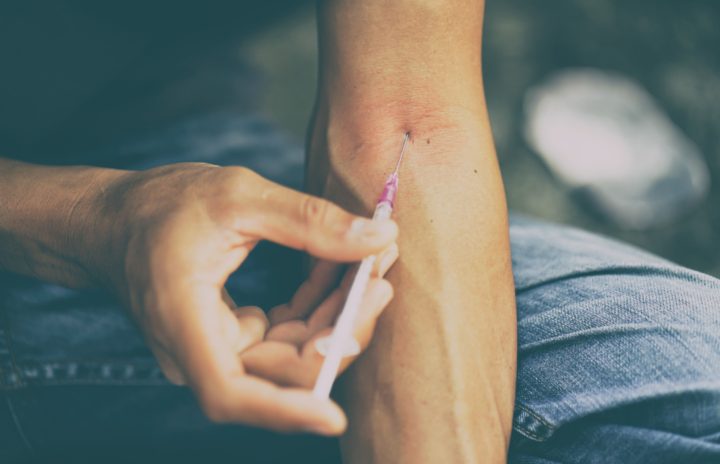
Drug Court in Oklahoma is designed to offer treatment and accountability instead of traditional incarceration. It is an opportunity—but also a structured, highly supervised program. One of the most common and most serious concerns participants face is relapse. If you continue to use drugs while in Oklahoma Drug Court, the consequences depend on when, how often, and how you respond, but the situation can quickly become serious.
Drug Court Is Built on Accountability and Compliance
Drug Court is not simply probation. It is an intensive program involving treatment, regular court appearances, drug testing, and strict compliance with rules set by the judge and the Drug Court team. Participants agree to these conditions as an alternative to jail or prison. Continued drug use directly violates those terms.
However, Drug Court is also structured around the understanding that recovery is difficult and relapse can occur.
A Single Relapse Is Not Always Immediate Expulsion
In Tulsa Drug Courts, a first relapse does not automatically result in termination from the program. Judges often use graduated sanctions, which may include increased testing, additional treatment sessions, short jail stays, or stricter supervision.
The response typically depends on factors such as:
- Whether the relapse was self-reported
- The stage of the program
- The participant’s overall compliance history
- Whether dishonesty or additional violations occurred
Honesty and accountability often matter as much as the relapse itself.
Repeated Violations Increase the Risk of Termination
While Drug Courts recognize relapse as part of recovery, repeated positive tests, missed tests, or attempts to conceal drug use significantly increase the risk of being removed from the program and sentenced under the original felony case.
Termination from Drug Court can result in reinstatement of the original criminal charges or sentencing exposure that was suspended upon entry into the program. In some cases, that means jail or prison time that had previously been avoided.
The stakes rise quickly after multiple violations.
Lying About Drug Use Often Makes Things Worse
One of the most common mistakes participants make is attempting to deny or conceal drug use. Oklahoma Drug Courts place heavy emphasis on honesty and responsibility.
A positive test combined with dishonesty is often treated more severely than a relapse that is admitted promptly. Judges frequently respond more favorably to participants who acknowledge the setback and engage seriously with treatment adjustments.
Drug Court Is Ultimately a Judicial Program
Drug Court teams typically include prosecutors, defense counsel, treatment providers, and probation officers. However, the judge has final authority over sanctions and termination decisions.
Each county may approach violations somewhat differently, but all Drug Courts operate on the principle that continued noncompliance undermines the program’s integrity.
Understanding the specific rules of your Drug Court is essential.
What Should You Do If You Relapse?
If relapse occurs, early communication with your attorney and treatment providers is critical. Addressing the issue proactively, rather than waiting for a test result to reveal it, may influence how the court responds.
Drug Court is structured to promote recovery, but it is not unlimited in its tolerance. How you handle a relapse can significantly affect whether you remain in the program.
Tulsa Drug Crime Defense Attorneys
Continuing to use drugs while in Oklahoma Drug Court can lead to sanctions, stricter supervision, or removal from the program. A single relapse does not always mean automatic termination, but repeated violations or dishonesty can result in reinstated criminal penalties. Because Drug Court participation often represents an opportunity to avoid incarceration, compliance and transparency are critical. Get a Free Consultation with an Oklahoma criminal defense attorney at Tulsa Criminal Lawyers Law Firm by calling 918-416-0358. Or you can also follow this link to ask a free online legal question.