
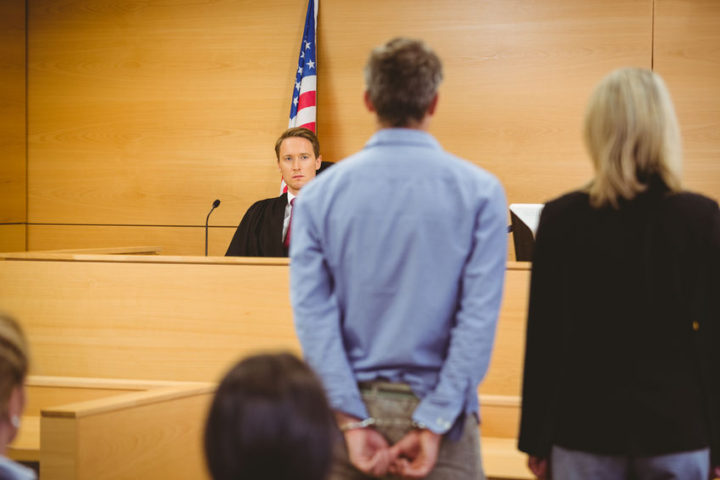
When someone is arrested and charged with a crime in Tulsa, their first formal step in the court process is the initial appearance. This hearing takes place shortly after the arrest and serves as the defendant’s first opportunity to appear before a judge. Understanding what happens at an initial appearance is important because this hearing sets the stage for the rest of the criminal case, including bond conditions, scheduling, and the defendant’s legal rights moving forward.
Understanding Initial Appearances Under Oklahoma Law
An initial appearance is a brief court proceeding where a judge informs the defendant of the charges filed against them, advises them of their rights, and addresses immediate issues such as bond and legal representation. These hearings are governed by Oklahoma’s criminal procedure statutes and apply to both misdemeanor and felony cases.
The purpose of an initial appearance is not to determine guilt or innocence. Instead, the hearing ensures the defendant understands the allegations and is aware of their constitutional rights before the case continues.
These procedures are designed to protect due process and ensure the defendant is not left without information or representation at the earliest stage of the criminal case.
When Does an Initial Appearance Occur in Tulsa?
An initial appearance is required when:
- A person has been arrested and is being held in custody,
- Charges have been formally filed by the Tulsa County District Attorney,
- The defendant must be informed of their rights and the nature of the charges, and
- The court needs to determine bond and release conditions.
In most cases, an initial appearance occurs within a few days of arrest, often the next business day if the arrest happened over a weekend or holiday. If the defendant bonds out quickly, the initial appearance may be scheduled later when the case enters the court system.
The Court Process in Tulsa County
If you are facing criminal charges in Tulsa, the initial appearance will typically include the following steps:
1. Advisement of Charges
You will go to the Tulsa County District Court, where the judge explains the criminal charges filed by the prosecutor. This includes whether the case is a misdemeanor or felony, the potential penalties, and any enhancements based on prior convictions.
2. Advisement of Rights
The defendant is informed of important constitutional rights, including:
- The right to an attorney,
- The right to remain silent,
- The right to a preliminary hearing (in felony cases),
- The right to be presumed innocent until proven guilty.
The court may also confirm whether the defendant intends to hire private counsel or needs a public defender.
3. Bond and Release Conditions
One of the most important aspects of the initial appearance is setting bond. The judge may:
- Set a cash or surety bond,
- Modify a previously set bond,
- Release the defendant on personal recognizance (OR bond), or
- Order conditions such as no-contact orders, GPS monitoring, drug testing, or pretrial supervision.
Bond decisions depend on factors such as the severity of the charge, criminal history, risk of flight, and public safety concerns.
4. Scheduling Future Court Dates
The judge sets deadlines for the next stages of the case. In felony matters, the next court date is often the preliminary hearing conference. In misdemeanor cases, the court may set the matter for a disposition docket or trial date.
Common Issues Addressed at an Initial Appearance
Depending on the nature of the case, additional matters may be discussed, including:
- Requests to reduce bond,
- Protective orders or no-contact orders,
- Medical or mental health concerns,
- Requests for interpreters or accommodations,
- Clarification of charges or enhancements.
Because this hearing shapes the early stages of the case, having an attorney present—or requesting counsel—is critical.
Defenses and Legal Strategies Moving Forward
Although defenses are not argued at the initial appearance, the hearing marks the beginning of the defense strategy. Following the initial appearance, a defendant may challenge the case through:
- Motions to suppress evidence obtained illegally,
- Requests for discovery,
- Investigations into witness credibility,
- Alibi or mistaken identity defenses,
- Plea negotiations with the State.
Each case is fact-specific, and the defense strategy will depend on the strength of the evidence and the circumstances of the arrest.
Tulsa Criminal Defense Attorneys
The initial appearance is the first step in the criminal process, and understanding what happens at this hearing can help defendants protect their rights and prepare for the case ahead. Bond decisions, advisement of charges, and the scheduling of important future hearings all occur at this stage. The sooner someone facing criminal charges understands their rights and obtains legal representation, the more effectively they can participate in their defense. Our team at Tulsa Criminal Lawyers Law Firm can help. Call today at 918-416-0358 or follow this link to ask an online legal question