
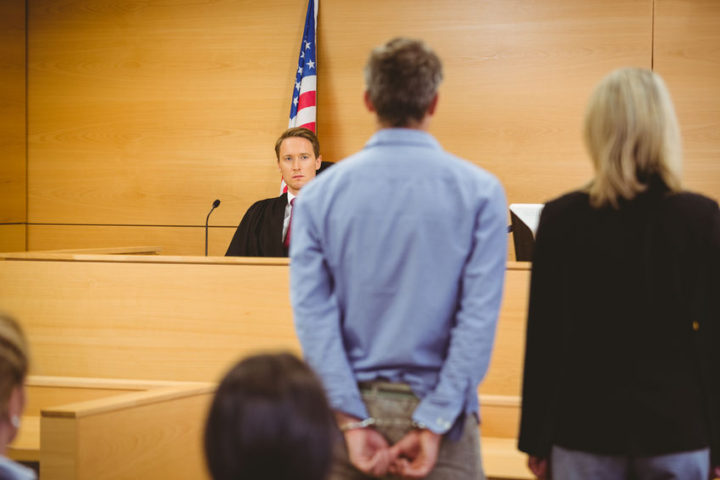
You have rights during a criminal trial, and it’s important to understand them. Facing a criminal trial in Oklahoma can feel overwhelming, but the law provides strong protections to ensure the process is fair. These rights come from both the United States Constitution and the Oklahoma Constitution, and they apply in courts throughout the state, including places like Tulsa County and beyond. Understanding these rights is critical. They are not just technical rules—they are the foundation of your defense.
The Right to a Fair and Public Trial
Some of your rights during a criminal trial involve the right to a public trial conducted in a fair and impartial manner. This means the proceedings are open to the public and subject to scrutiny, which helps ensure accountability in the judicial process.
You are also entitled to have your case heard by a neutral judge who applies the law without bias.
The Right to a Jury
In most criminal cases, you have the right to a trial by jury. This means a group of citizens from the community will hear the evidence and decide whether the State has proven its case beyond a reasonable doubt. You also have the right to participate in jury selection through your attorney, helping ensure that jurors are impartial and capable of deciding the case fairly.
The Presumption of Innocence and Burden of Proof
One of the most important protections is the presumption of innocence. You are presumed innocent unless and until the State proves your guilt beyond a reasonable doubt.
You do not have to prove anything. This is true for both felony and misdemeanor charges. The burden rests entirely on the prosecution. If the State fails to meet that burden, the jury must find you not guilty.
The Right to Remain Silent
You have the right not to testify at your trial. This is commonly referred to as the right against self-incrimination. If you choose not to testify, the jury cannot hold that decision against you. The State must prove its case without forcing you to provide evidence against yourself.
The Right to Confront and Cross-Examine Witnesses
You have the right to confront the witnesses against you. This means you can see, hear, and challenge their testimony in court. Through your attorney, you can cross-examine witnesses to test their credibility, expose inconsistencies, and challenge the reliability of their statements. This right is essential to ensuring that only trustworthy evidence is considered.
The Right to Present a Defense
You have the right to present evidence and call witnesses in your own defense. This may include testimony, documents, expert opinions, or other evidence that supports your version of events.
You are also entitled to compel witnesses to appear in court through subpoenas if their testimony is necessary to your defense.
The Right to Counsel
You have the right to be represented by an attorney at every critical stage of your case. If you cannot afford an attorney, the court will appoint one to represent you. Your attorney plays a vital role in protecting your rights, challenging the State’s evidence, and guiding you through the trial process.
The Right to a Speedy Trial
You have the right to a trial without unnecessary delay. While some delays are unavoidable, the State cannot indefinitely postpone your case.
This right helps prevent prolonged uncertainty and ensures that evidence and witness testimony remain reliable.
The Right to Be Present
You have the right to be present at your trial and to hear the evidence against you. This allows you to participate in your defense and consult with your attorney throughout the proceedings.
Your presence ensures transparency and helps you understand exactly what is happening in your case.
The Right to Appeal
If you are convicted, you have the right to appeal the decision to a higher court. An appeal allows you to challenge legal errors that may have occurred during the trial. While an appeal is not a new trial, it provides an important safeguard against wrongful convictions or improper rulings.
Tulsa Criminal Defense Lawyers
Your rights during an Oklahoma criminal trial are extensive and deeply rooted in constitutional law. They exist to ensure that the State meets its burden and that the process is fair from beginning to end. While the law provides a range of possible penalties, the actual outcome of each case depends on the facts, the evidence, and the legal strategy used in your defense. If you’re facing charges, call our team at Tulsa Criminal Lawyers Law Firm at (918) 416-0358 or contact us online.